One of my goals this year was to make the most out of the weekends. Instead of spending Saturday lounging in pyjamas, I headed into town for a spot of culture.
The top of my list for exhibitions to visit was Sensing Spaces: Architecture Reimagined at the Royal Academy of Arts. I’d heard great reviews from friends that had already been and managed to check it out on the last weekend it was running. The concept of building architectural elements and presenting them in a gallery space sounded appealing. The idea was to step away from traditional exhibitions that represent architecture in the form of models, drawings or photography and allow visitors to interact with the architecture. As most of our lives take place within buildings it was a unique chance to interact with it.
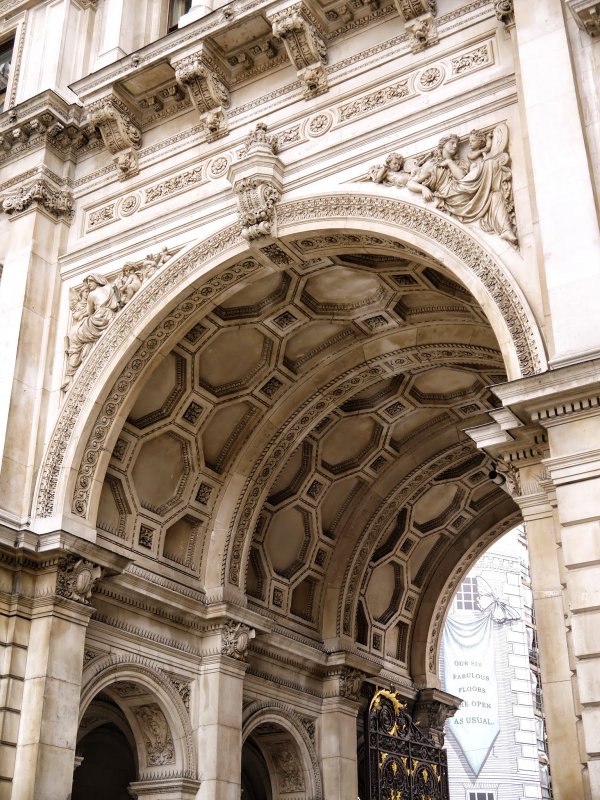
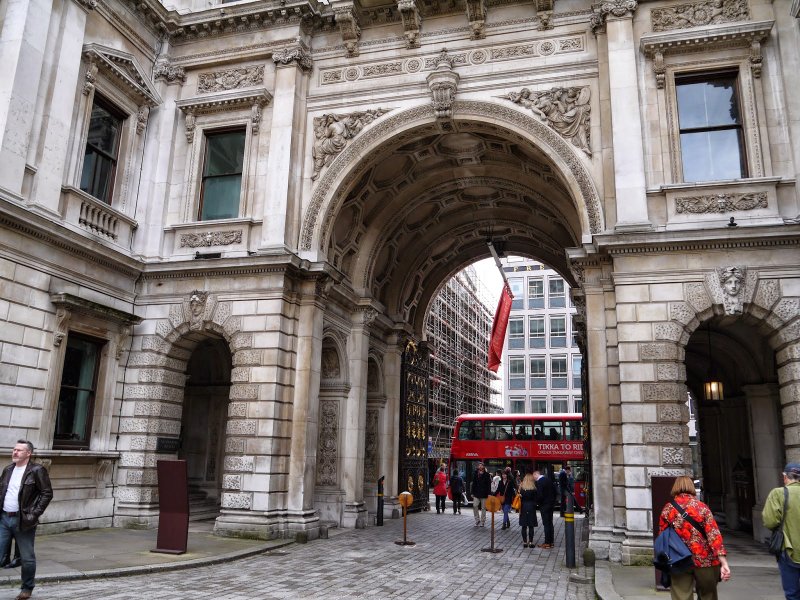
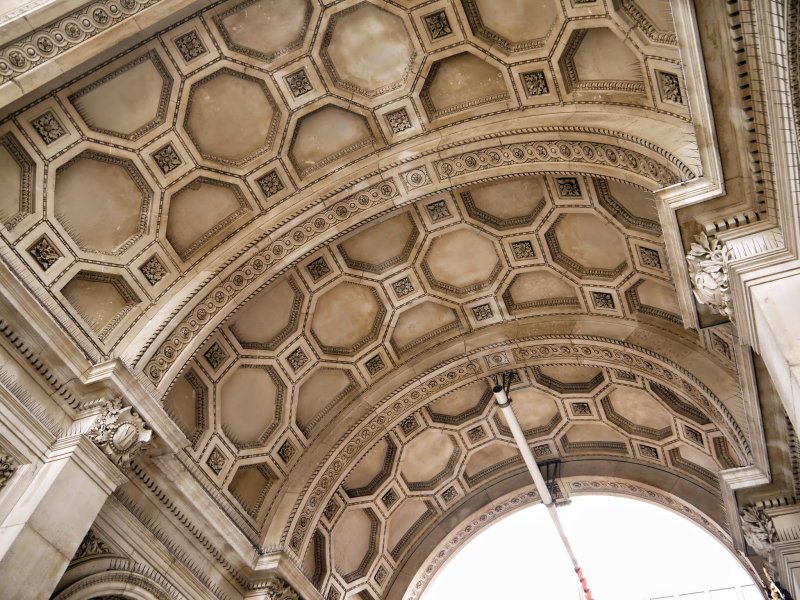
I honestly cannot remember when I last went to the Royal Academy of Arts, so I fell into tourist mode with my camera and snapped happily away at the exterior architecture.
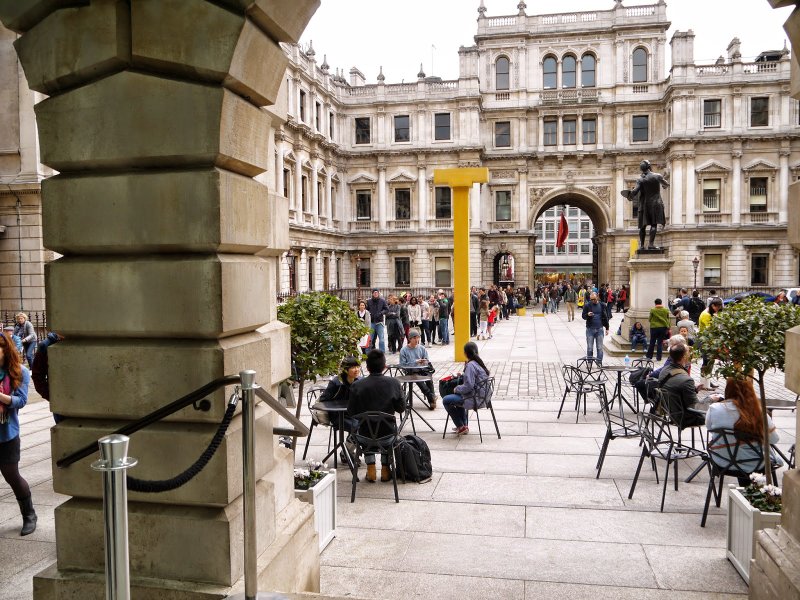
All of a sudden the queue for tickets had boomed so we quickly got in the line. I noticed in the courtyard there were yellow building blocks and wondered what these were for as they looked slightly out of context.
Once our tickets were eventually in hand we dashed straight into the exhibition to find out what Sensing Spaces was all about.
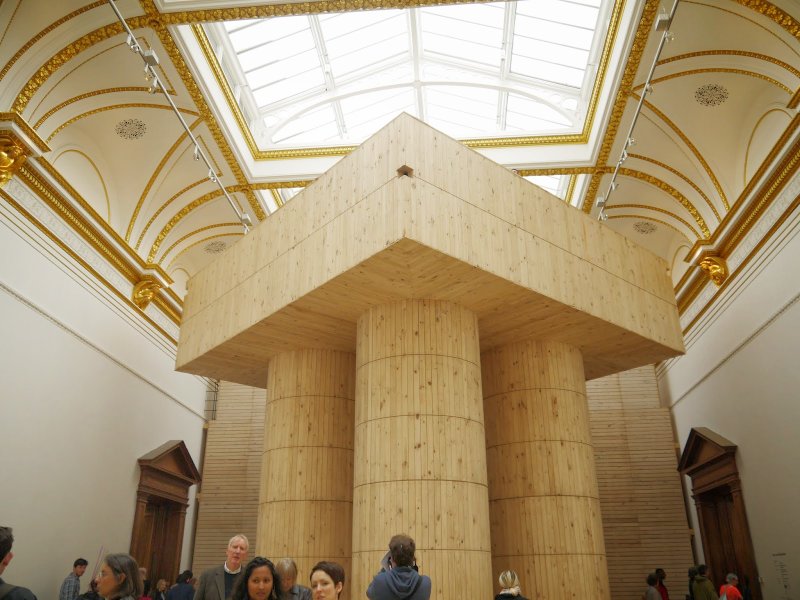
Architects Pezo Von Ellrichshausen from Chile designed the first piece we came across, the concept was:
“We are not trying to express the structural properties of our buildings. The emphasis instead is one of the proportions of the rooms, their sequence, the way they open – simple things, but which taken together suggest something complex.”

A large timber structure, built with slats of timber nailed together. The curved modern form had an incredible contrast against the neoclassical interior. The installation was large in scale and almost reached the ceiling and cornice. We walked around and under the structure exploring the architecture.


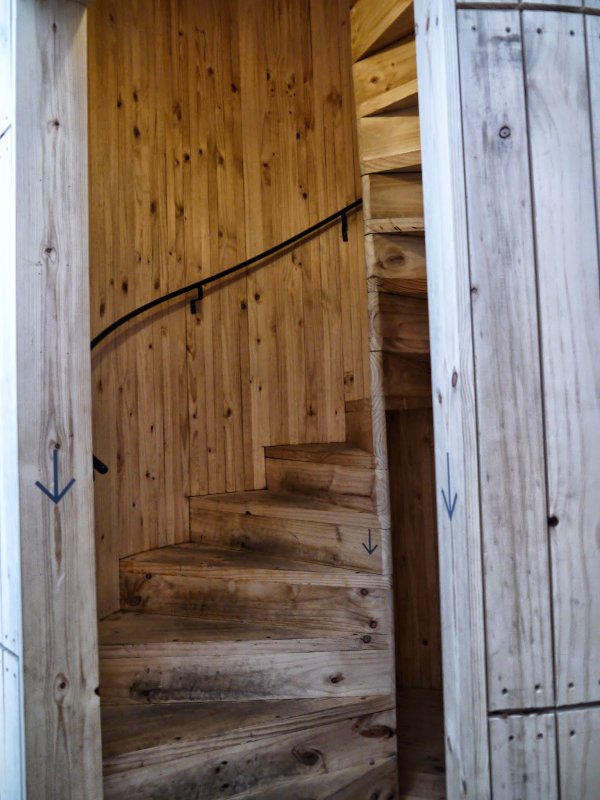
The installation had four large columns supporting its load that doubled as spiral stairs leading to the top of the building.

Mads and I ran up the stairs until we reached the top of the design, the view of the stairs looked like portal tunnels that could lead to an unknown realm.
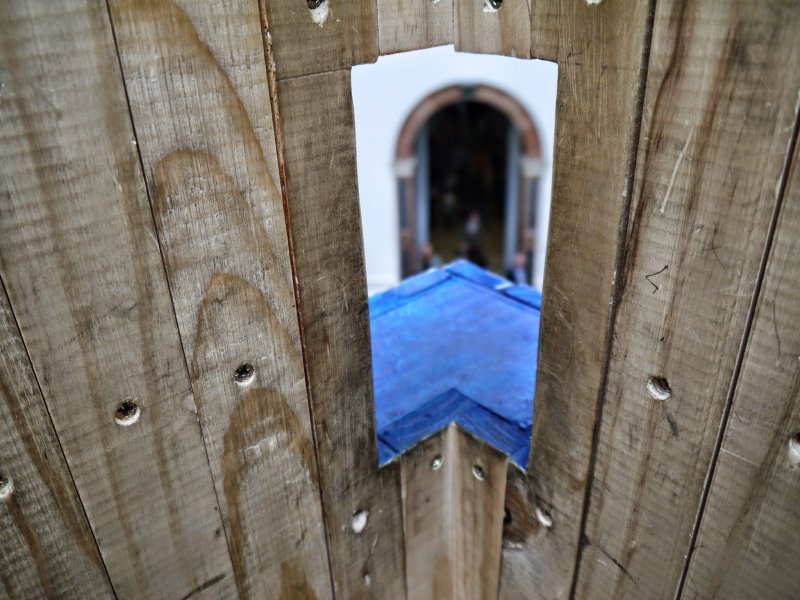
We were surprised by how high up in the gallery space we actually were and it gave us an opportunity to admire the detail of the gold gilded ceiling mouldings. I found a spy hole, and turned into a peeping Tom looking out from the architecture through to the gallery interior.


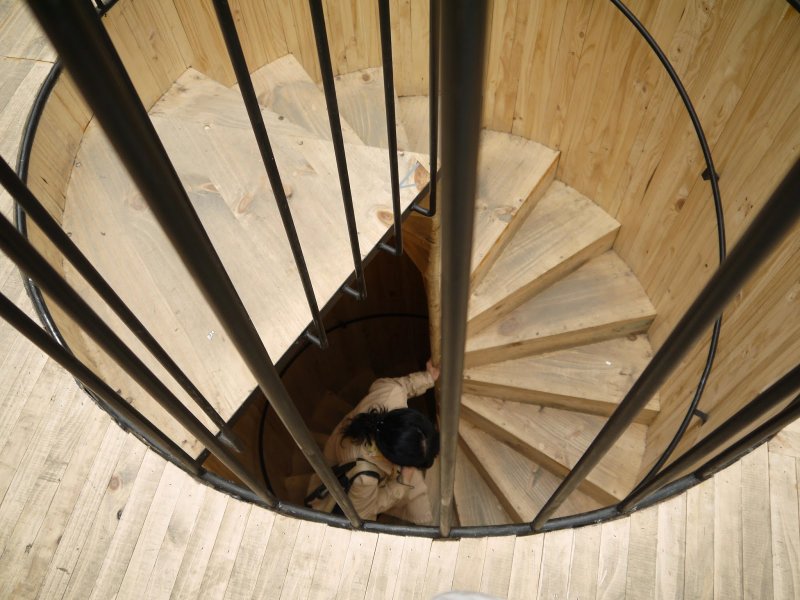
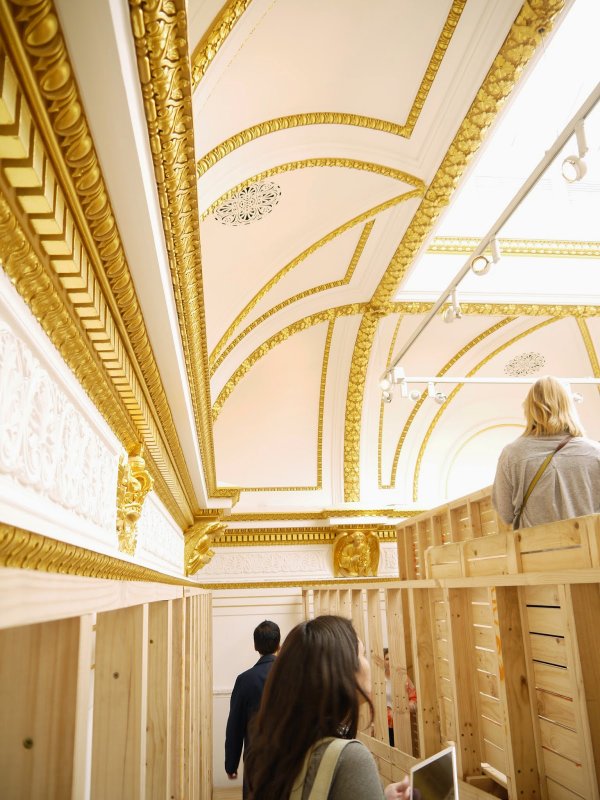
Mads and I made our way down through corridors of timber cladding ramps which were enclosed so it was hard to tell how far down we actually were.

Next visit was to the ‘Honeycomb’ a large installation that has been gradually built over the exhibiting period. You collect long multi-coloured straws and weave them into the ‘Honeycomb’ I felt the concept was for visitors to physically engage with the installation.


As you head inside you see the different techniques people have used to add their response to this aspect of architecture.
The idea of building part of the architecture created excitement as we embraced the setting and carefully decided where we’d add our straws.


The straws created a natural coloured glow and felt very tranquil sitting underneath as we admired the manipulation of light.


We travelled through the Honeycomb and noticed the opposite end still had plenty of exposed sections and showed us how the structure appeared before hundreds of visitors had added their straw mark.

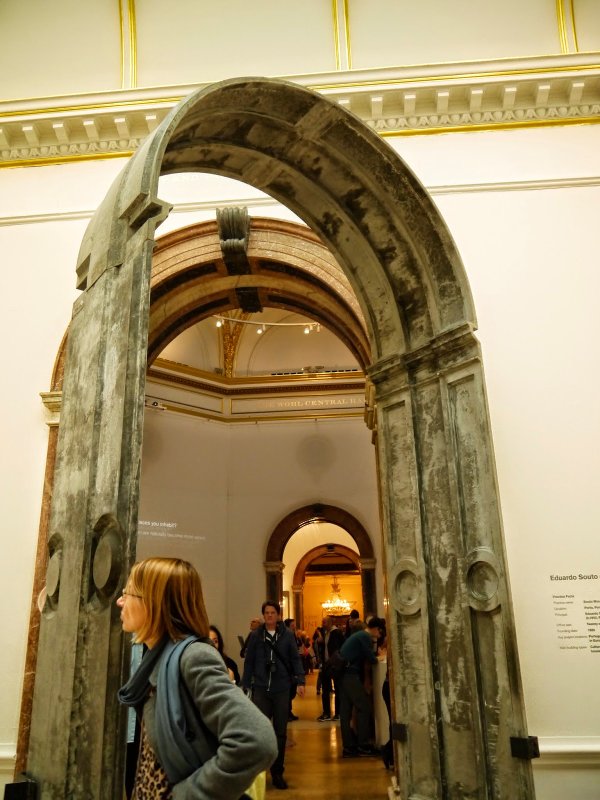
Our next element was a large arch designed by architects Eduardo Souto de Moura, the structure had such a smooth texture we couldn’t help but touch it.
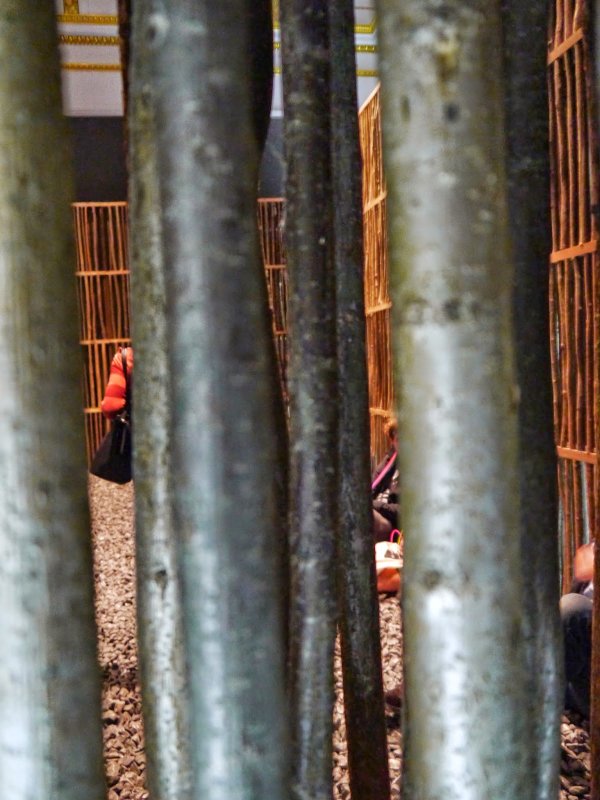
Into the next space there was a moody ambiance as we entered, then we reached a curtain that formed the entrance to a mysterious space beyond. We crept inside to uncover a maze-like building created with tree brunches carefully strapped together to form the walls. As we moved through the space it was incredible looking through the natural branches into spaces beyond.


The natural tones of the branches created a cocoon effect despite the walls not being solid; the floor had a glow and picked up the contrasting shade of the branches.

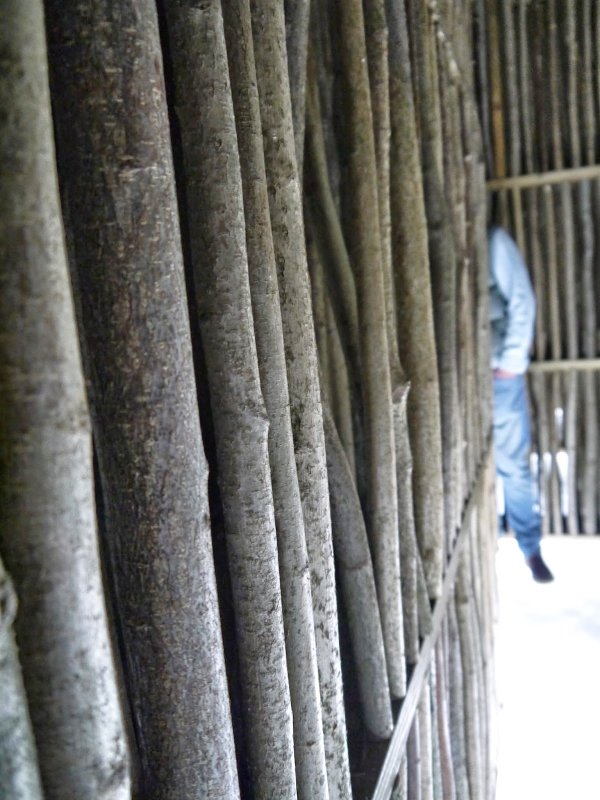
We stumbled across the sections that were brightly lit and glowed against the dark branches.
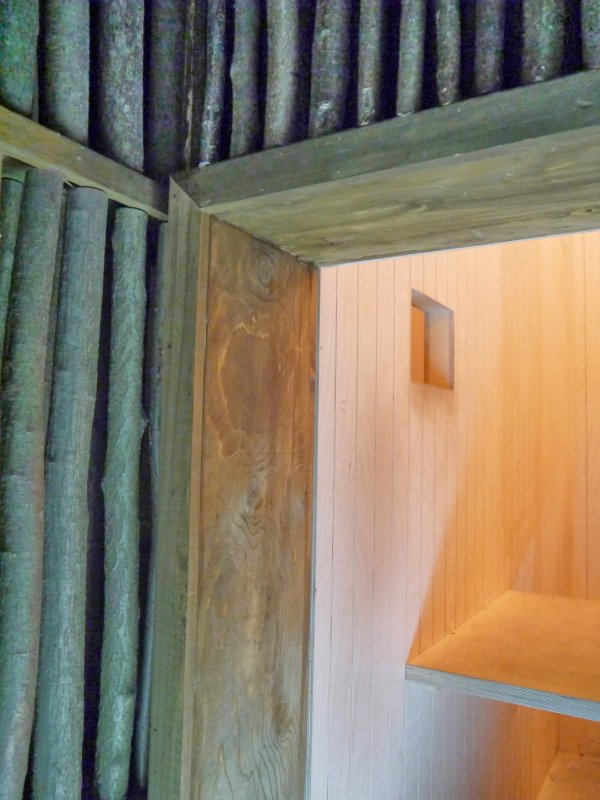
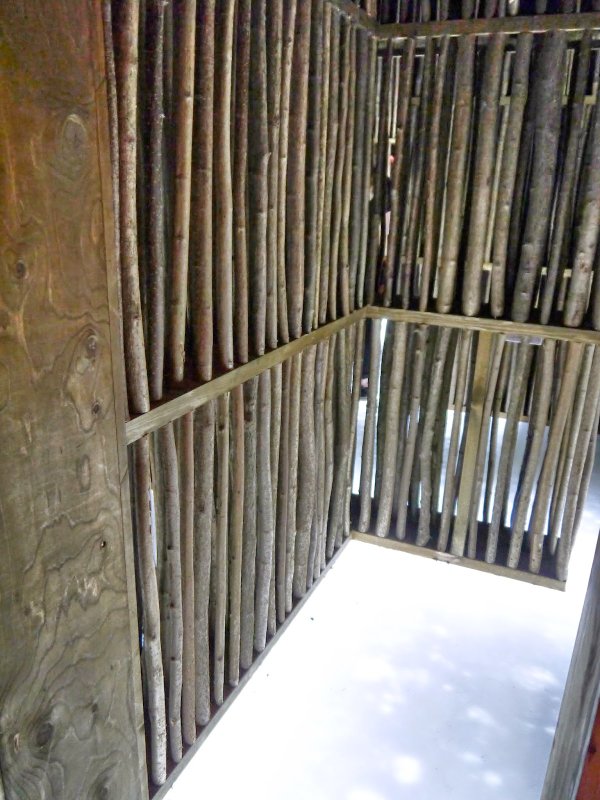

As we came close to the end of maze we could hear crunching sounds through the building, making constant noise in irregular rhythms. This was an unusual sense, as we couldn’t see what lay ahead.
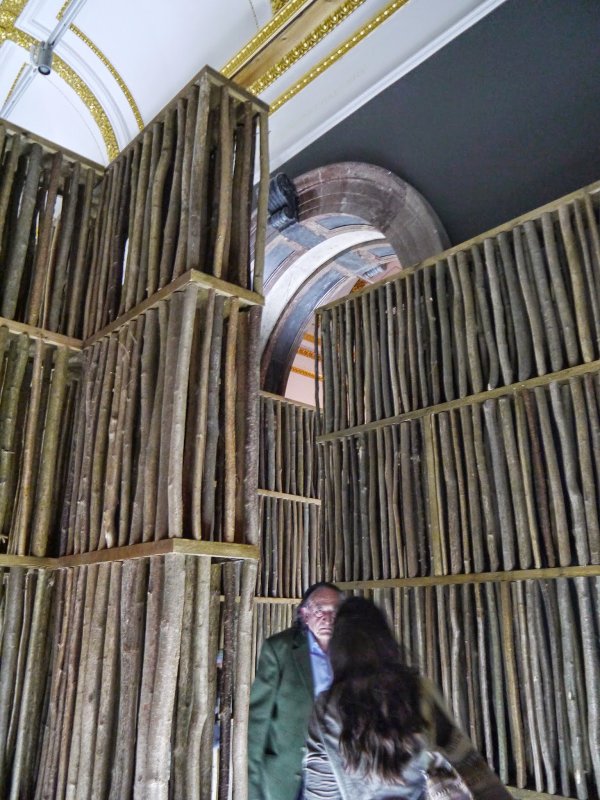
As we reached the end of the maze we discovered a courtyard and realised the crunching sounds were from people walking across the pebbles. We sat down and admired the structure that created a comforting sense of being enclosed in an exterior environment in an internal space.

As a child I’d regularly build tents in my room with anything I could find and always enjoyed creating a new space, interacting with the installation reminded me of those tent-making days.


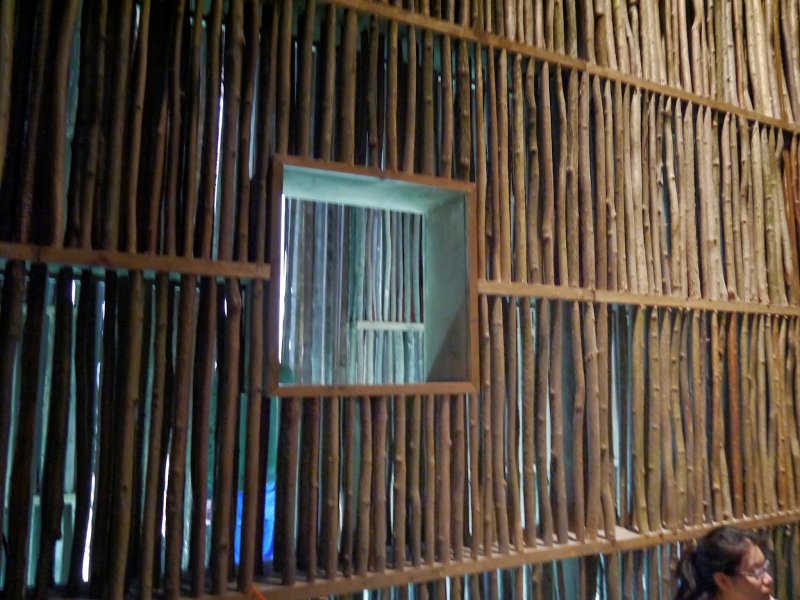
The next installation played with how we react with light in buildings,
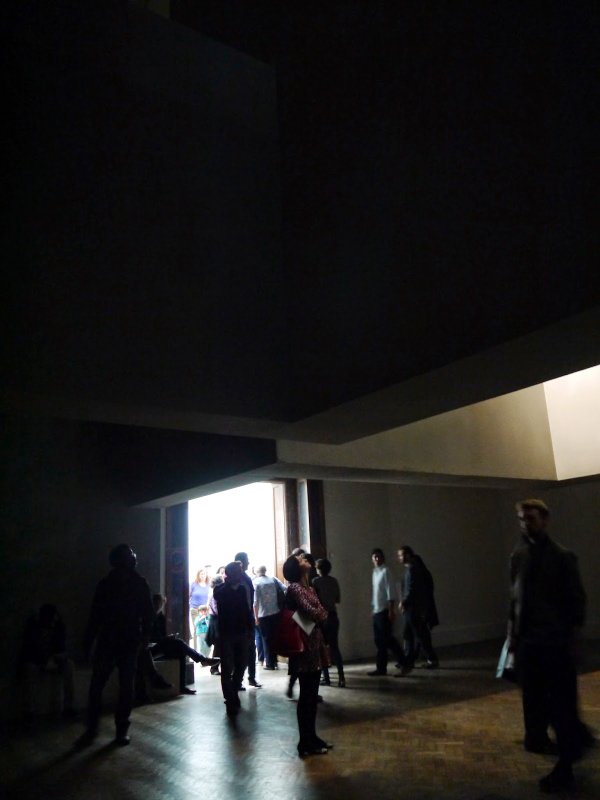
“There is a sense of pleasure in moving from darkness to light or vice versa because as humans we’re cyclical. How light reflects and how light is contained in the stuff of architecture.”
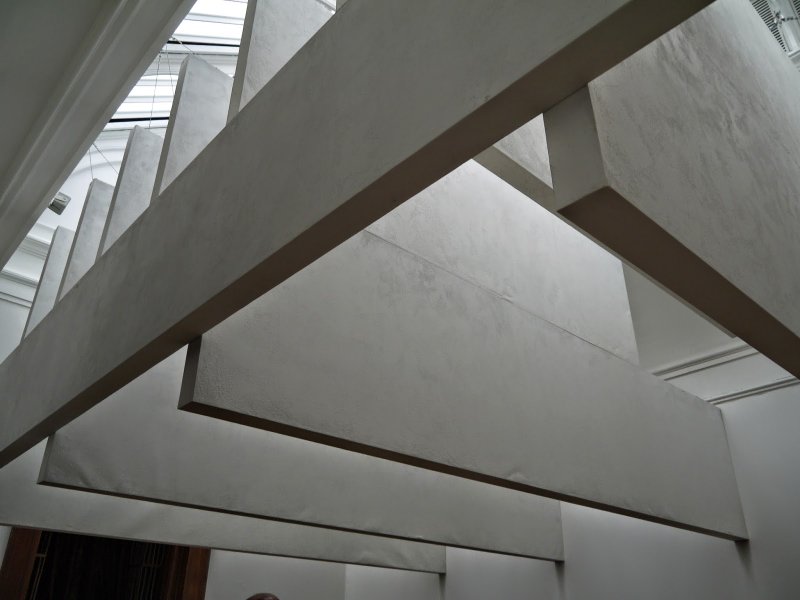
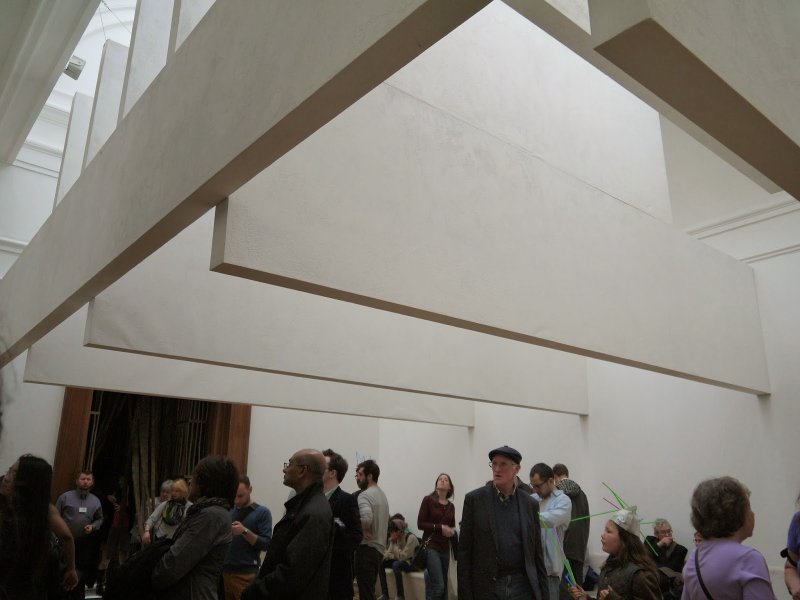
The space allowed us to experience the functional and visual aspects of light in the installation, something that is rarely considered in my day-to-day life.

Kengo Kuma from Japan designed the next installation we discovered. The architect’s idea was:


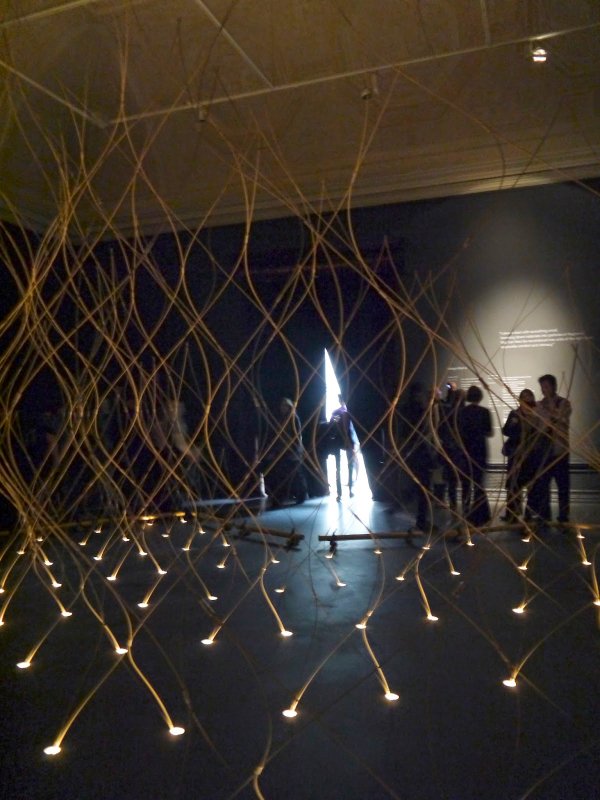

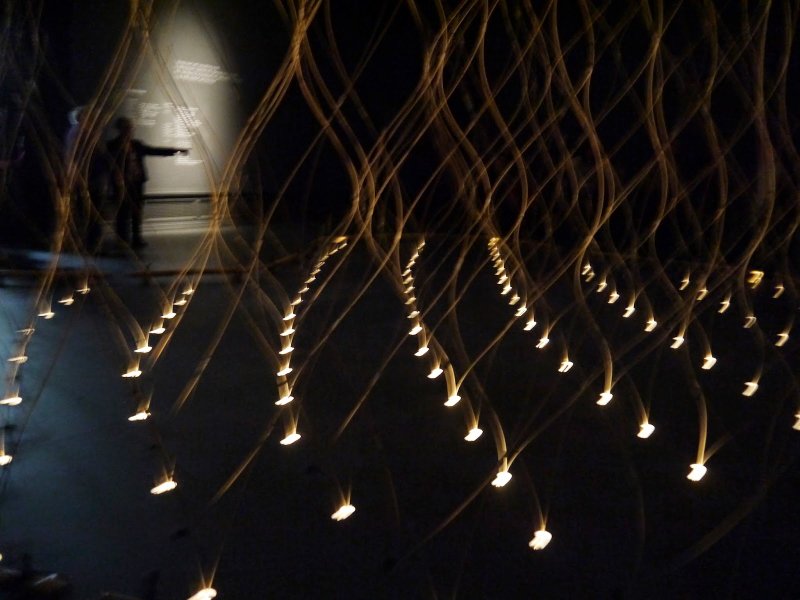
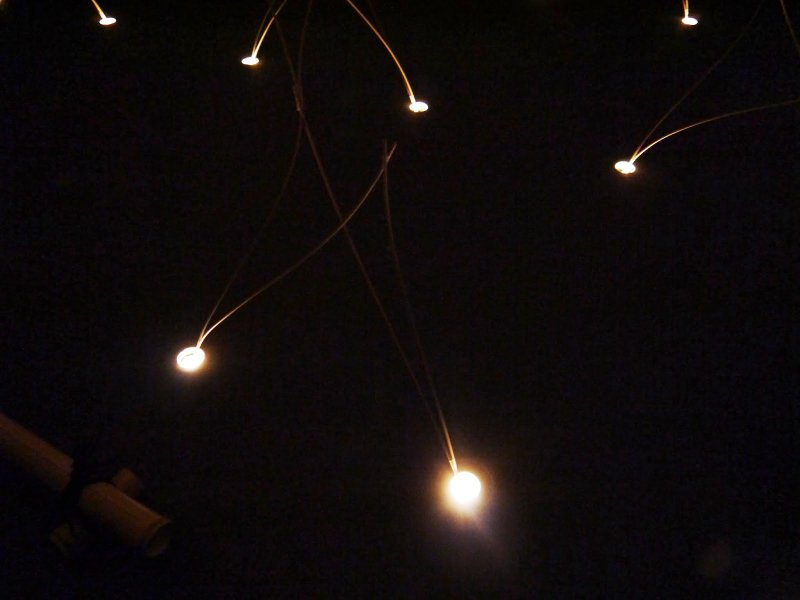


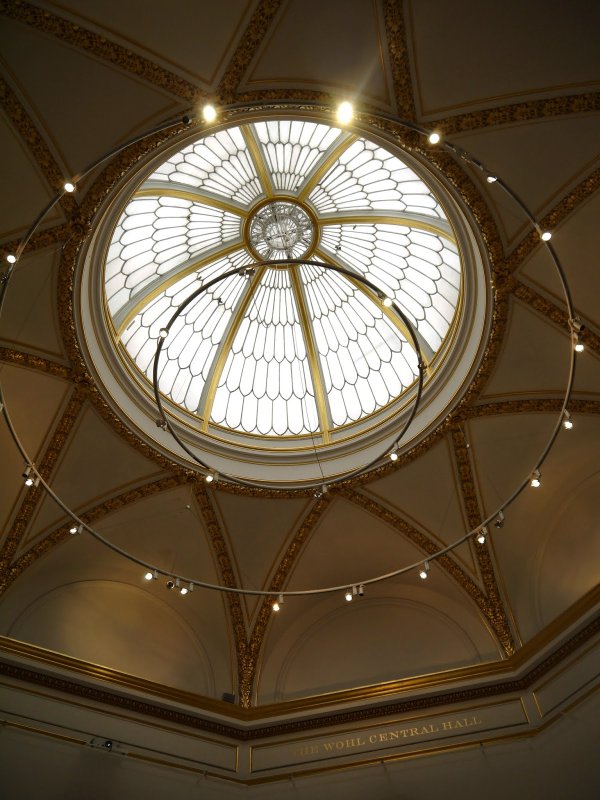
As we left the gallery we admired the neoclassical interior one last time and realised the yellow building blocks in the courtyard actually formed the first or final installation for Sensing Spaces, as visitors were sitting or climbing on these elements.
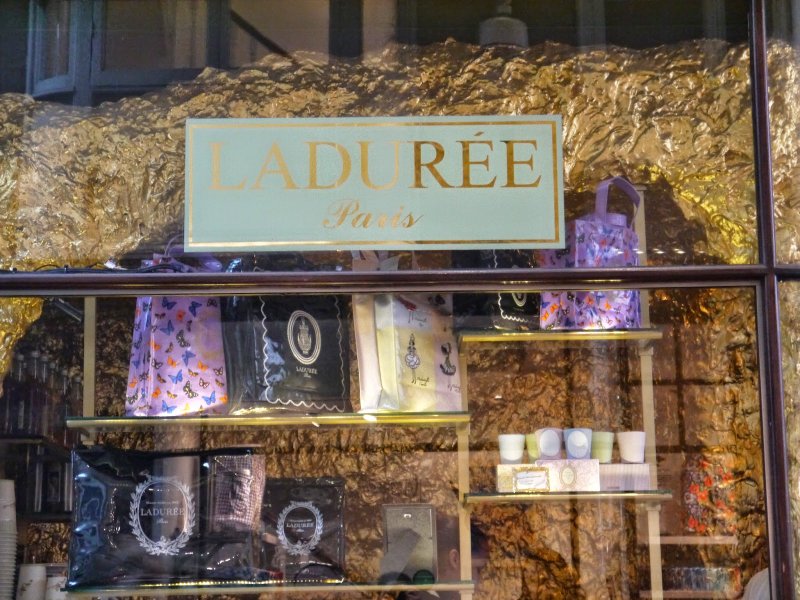
On our way to the Royal Arts Academy we passed Laduree and knew that we had to stop by after the exhibition. Besides we deserved a sugar rush after our architectural adventure.
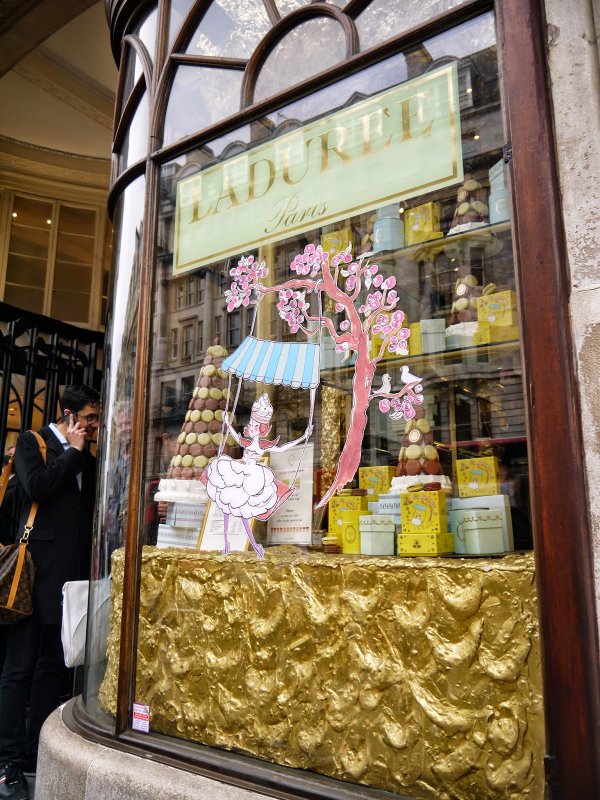


Laduree serve the best macaroons I’ve ever tried and I’m sure most people agree with that. I love the tones of the macaroons that are all in the softest colour palettes. Good on the eye and great in the tummy.
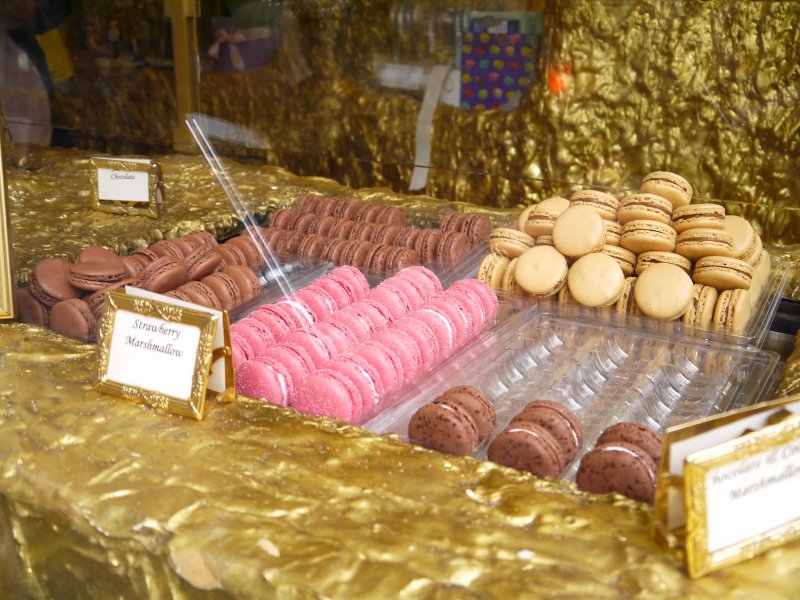
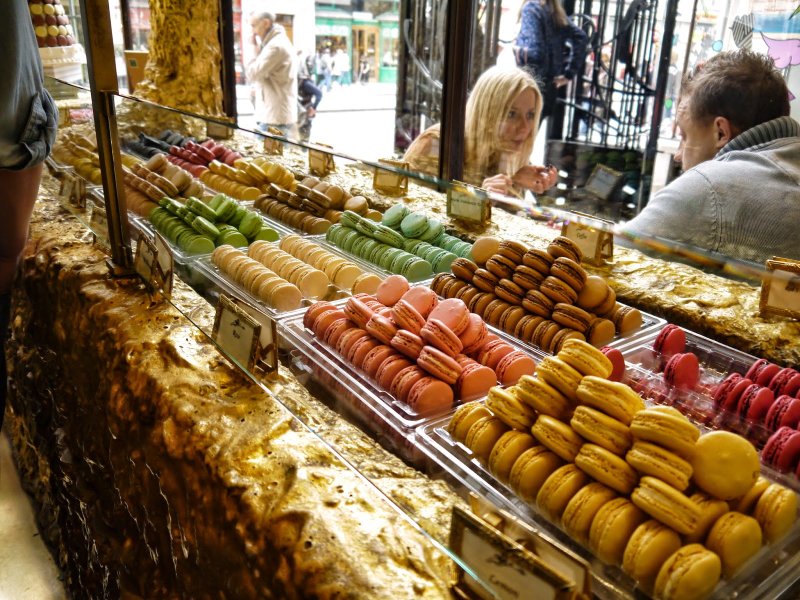


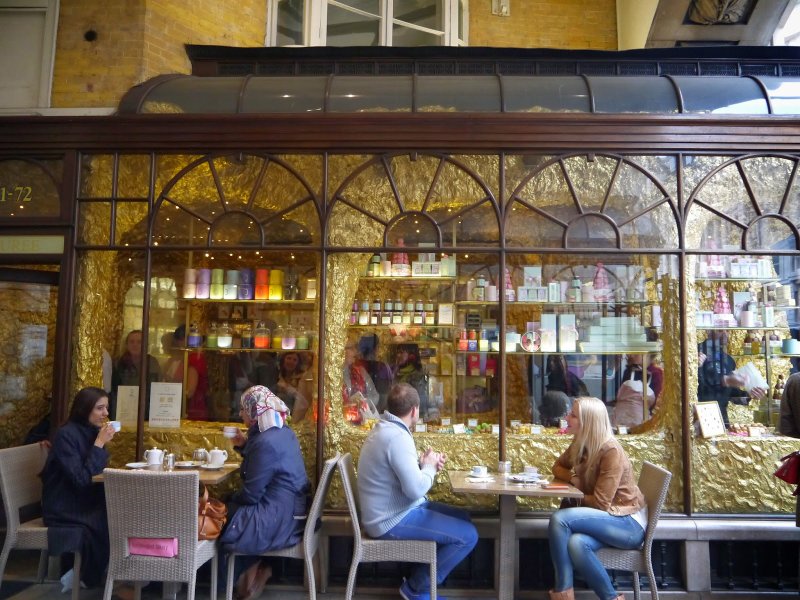
The Parisian style is evident from the interior through to the stunning packaging.
We treated ourselves to chocolate, vanilla and rose petal macaroons. They’re so delicious I’m already daydreaming about my next trip.
If you fancy visiting other exhibitions currently running have a look on Royal Academy of Arts here.
Sweet treats are always essential so make sure you get your next Laduree treat here.
Right – well I’m off to build my own structure out of straws and sit underneath munching on macaroons.